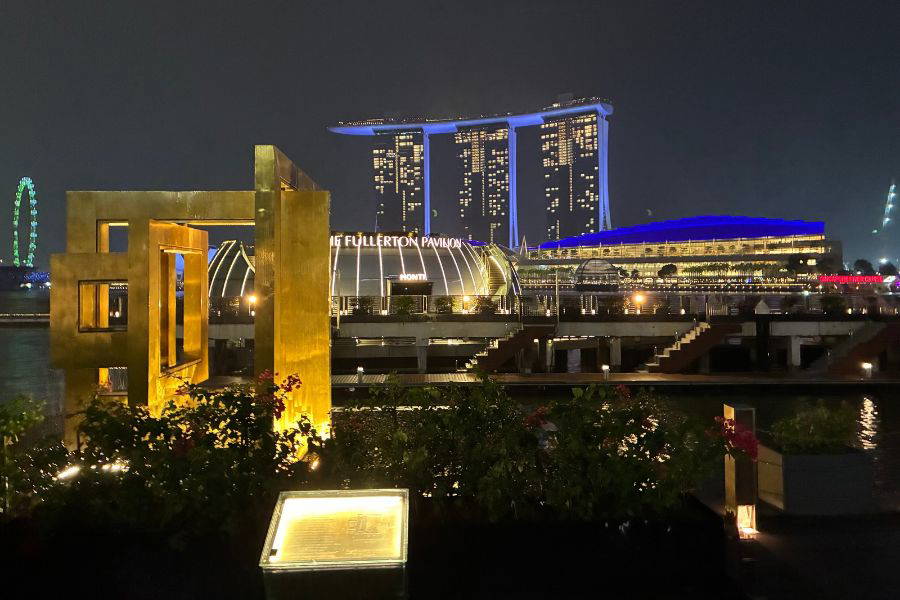
Having recently returned from Singapore after attending the FOBISIA Music Conference at Dulwich College, I’ve had time to reflect on a week filled with practical ideas, valuable conversations, and useful classroom insights.
Exhibiting I Can Compose and leading two sessions offered a fantastic opportunity to engage directly with music educators working across Asia. International school settings bring a unique set of possibilities and challenges, from delivering diverse curricula to navigating wide-ranging musical backgrounds in the classroom.
Here’s a summary of the key takeaways and highlights from the trip.
Delivering the Composing Toolkits Sessions
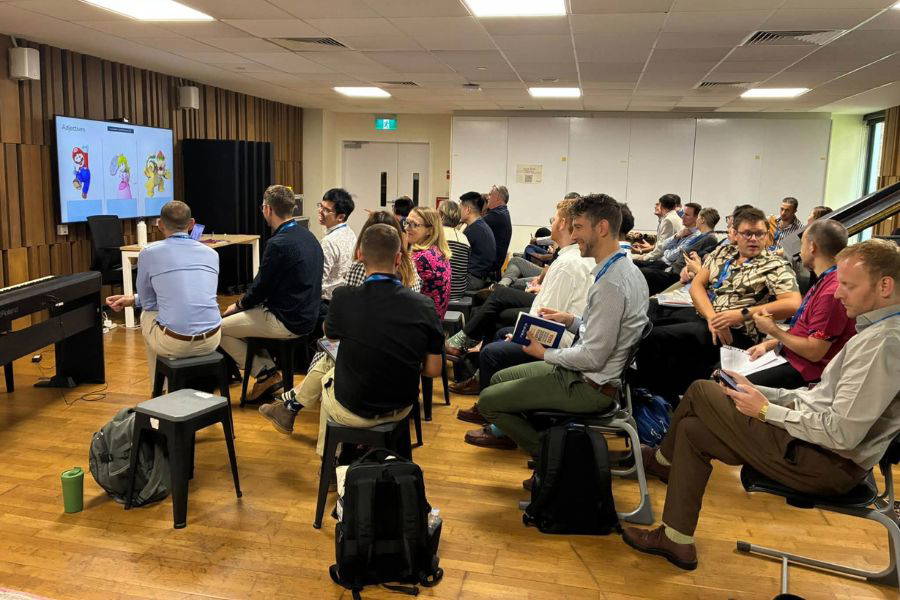
My main focus for the conference was delivering two practical sessions aimed at simplifying the composition process for teachers and students. Both workshops were well attended with over 40 teachers in the room.
1. Primary Classroom Composing Toolkit
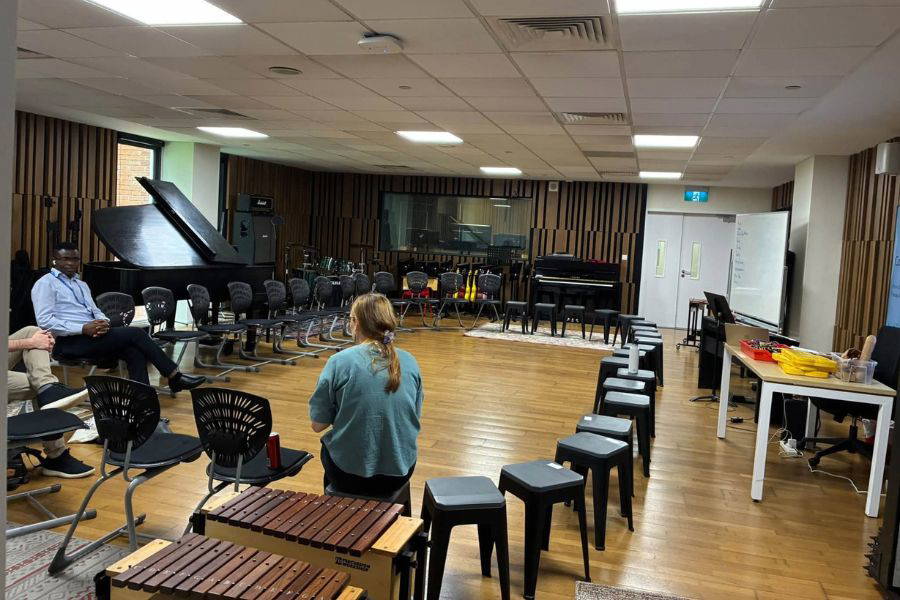
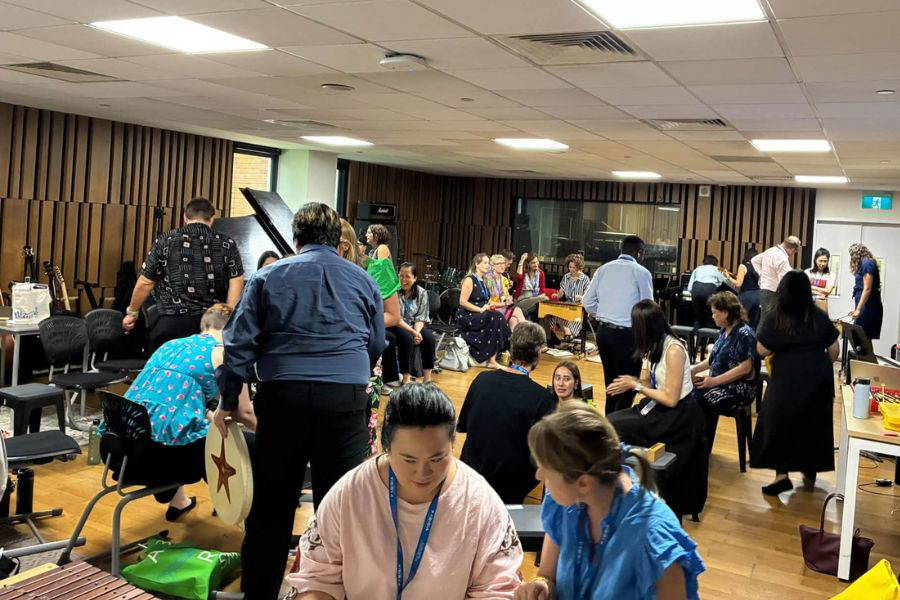
In the primary session, we began in a circle with a body percussion warm-up first with eyes open and then with eyes closed. We then moved onto a listening task matching 3 tracks with images on the board, which took us into the practical part where we created a whole class composition. To structure this we learned a vocal refrain in 2 parts and delegates got into small groups to compose a short motif to alternate with the refrain. It was a lot of fun!
2. Secondary Classroom Composing Toolkit
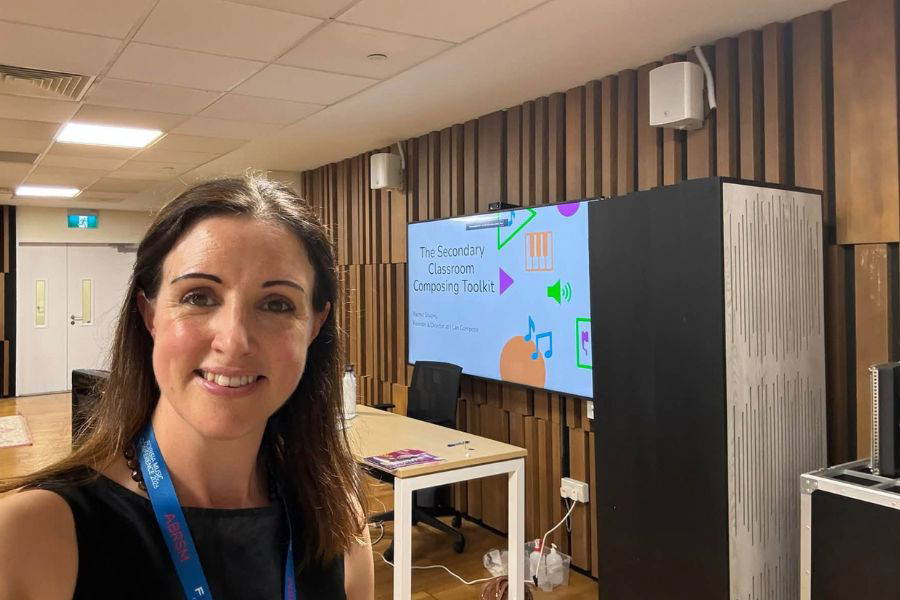
For secondary educators, I delivered a ‘composing toolkit’ centred around rhythm, melody and harmony. We explored short composing tasks and games to get students composing quickly and building their confidence and techniques.
Visiting Tanglin Trust School and Dulwich College
Alongside the conference schedule at Dulwich College, I was invited to visit Tanglin Trust School. Seeing music departments in action is always a highlight of traveling.
Observing how different schools configure their spaces, handle technology integration, and structure their music pathways provides valuable context for designing I Can Compose resources. Discussions with staff at both campuses reinforced a shared priority: making composing a routine, accessible part of the curriculum.
Exhibiting at the Trade Fair
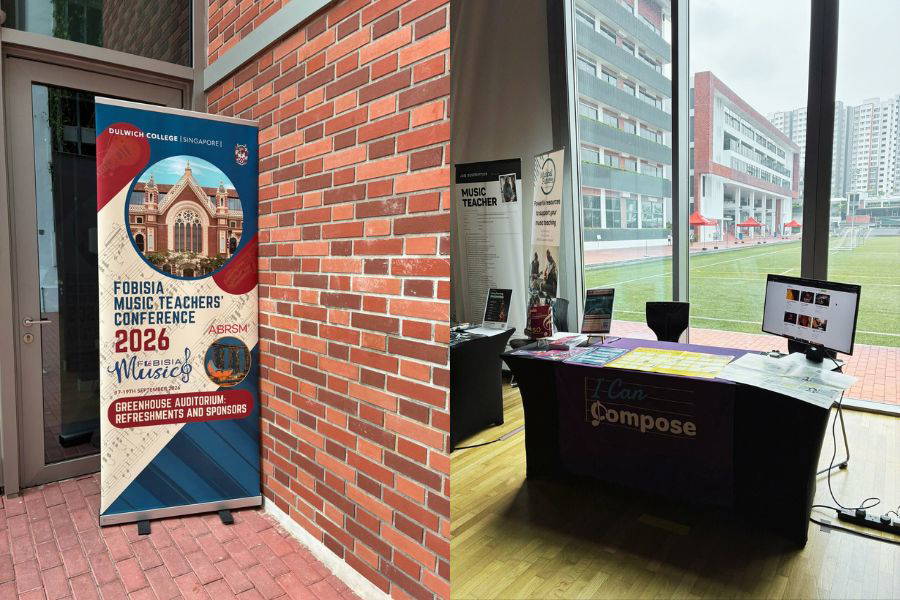
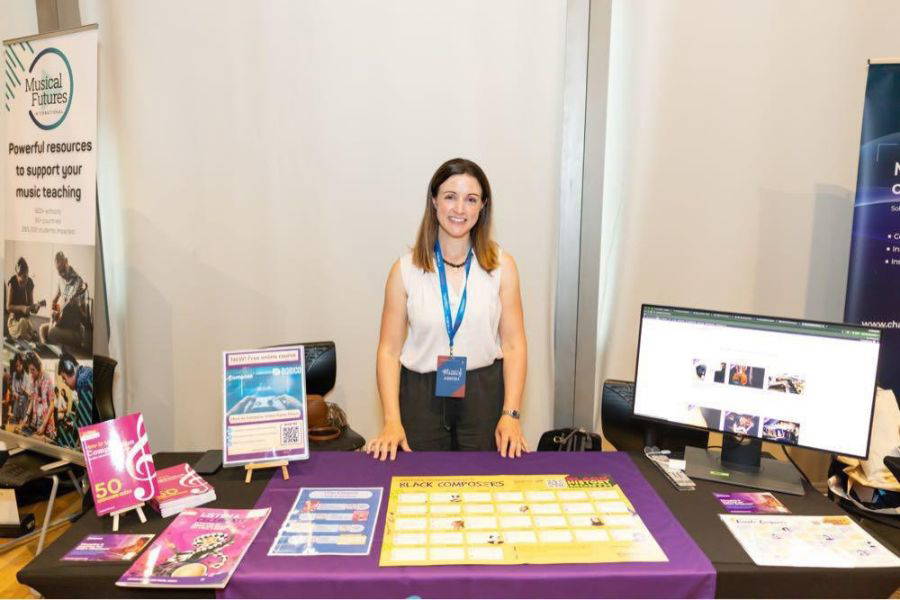
Another highlight of the conference was the trade fair. During the coffee breaks I had valuable conversations with teachers – some who were new to I Can Compose and others who were already using the platform. The free Video Game Music course had lots of interest and I did sell out of my books!
Key Takeaways for the Classroom
Connecting with so many teachers throughout the event highlighted several common themes currently shaping music education:
- Scaffolding builds confidence: whether working with key stage 1 or upper secondary pupils, clear parameters do not limit creativity – they enable it! Giving students a defined starting point remains the most effective way to encourage independence.
- Demystifying the process: composing is a practical craft that can be broken down and taught systematically, rather than an innate talent reserved for a few.
- Adaptable resources matter: classrooms are increasingly diverse in ability levels and musical backgrounds. Flexible teaching tools that allow for easy differentiation are essential for busy departments.
Looking Ahead
Thank you to the FOBISIA organizers, the host school Dulwich College, and everyone who stopped by the I Can Compose stand to share their experiences and feedback. It was a productive week that has provided plenty of fresh inspiration for upcoming resource development.
I look forward to continuing these conversations and supporting your departments throughout the academic year.