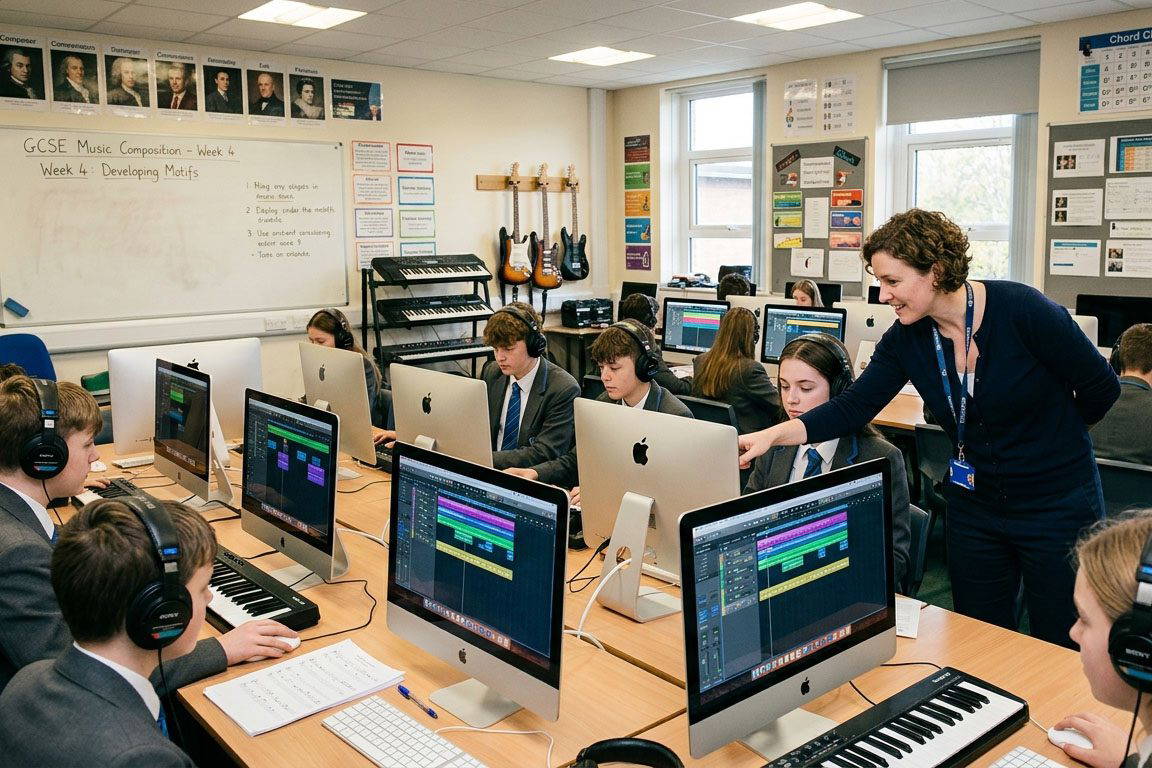
Teaching GCSE music composition in the classroom can be a rewarding yet challenging endeavour. As educators, it’s essential to understand the potential obstacles that can hinder the development of students’ compositional skills and creativity. In this article I’ll discuss these challenges and propose some ideas and approaches to overcome them, as well as outlining the requirements for this area of the specification.
GCSE Music Composition Requirements
All four UK examination boards (OCR, Edexcel, Eduqas and AQA) require students to complete two compositions. These are worth 30% of the total mark and should have a combined duration of at least three minutes (for Edexcel, ensure that each composition is at least one minute). One brief is set by the board and the other is a learner-set brief (or ‘free composition’). Whilst there are no maximum limits, it’s important that submissions are not so long that they lack clarity and structural awareness.
GCSE Music Composition Mark Criteria
The mark criteria focus on these 3 areas:
It’s a good idea to download the mark scheme for the exam board and use this as a set of criteria, to aid with planning and ensure that students are going in the right direction.
Challenges with Teaching GCSE Music Composition in Schools
Limited Resources and Support
One of the most significant challenges music educators face when teaching music composition is the lack of resources and support. Many schools operate under tight budgets, which can lead to insufficient access to instruments, technology, and teaching materials. This lack of resources can stifle students’ creativity and limit their ability to experiment with different sounds and styles. Additionally, without proper training, teachers may not feel confident in guiding students through the intricacies of music composition, further impacting the learning experience.
To combat these limitations, schools can explore partnerships with local Music Hubs (Music Hub Lead Organisations or HLOs) and utilise online resources to enhance their music curriculums. Many HLOs provide a ‘digital offer’ where member schools can select a platform subscription which is subsidised or fully funded.
There are some organisations such as Universal Music UK Sound Foundation, which offer funding for schools to purchase instruments and equipment.
Varied Skill Levels Among Students
Another challenge within the classroom is the varying skill levels of students. In any music class, you’re likely to encounter a mix of beginners and more experienced musicians, which can create a dynamic that is difficult to navigate: beginners may feel overwhelmed and discouraged, while advanced students might feel unchallenged and disengaged. This disparity can lead to frustration on both sides and hinder the overall effectiveness of the class.
To address this issue, teachers can seek to differentiate activities to various skill levels. Scaffolding composing tasks is an effective way to support students, through providing some aspects of the assignment and gradually removing these as they become more confident. This works particularly well at the start of the course, when students may feel less confident and need to build their bank of techniques.
Balancing Creativity with Curriculum Requirements
Striking a balance between fostering creativity and adhering to curriculum requirements can be challenging. While structured lessons and assessments are necessary to ensure that educational standards are met, they can sometimes stifle a student’s creative expression. Teachers face the dilemma of providing enough freedom for artistic exploration while ensuring that students understand the key skills required.
A possible solution is to integrate creative projects within the framework of the curriculum. For example, teachers can allow students to compose pieces that incorporate specific musical concepts covered in class, such as harmony, rhythm, or structure. Let’s take the example of creating musical tension – this might come into a film music topic – students can learn about dissonance, pedal notes and suspended chords through composing a piece of scary film music. If you have DAW (Digital Audio Workstation) access, you could import a film clip to bring the task alive alive. This approach not only emphasises creativity but also reinforces the essential skills that students need to learn.
Real-world example
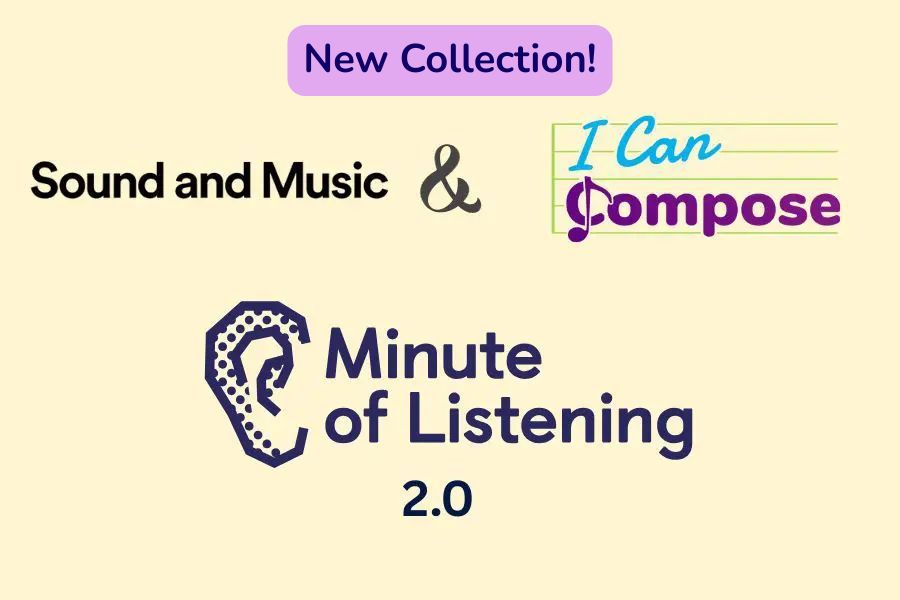
When I Can Compose partnered with Sound and Music to create a new Minute of Listening collection, UK secondary schools were invited to participate.
Year 10 students from DRET (David Ross Education Trust) were given this task as an initial ‘composing challenge’ – with guidance from a composer, they each composed a 60 second composition and these recordings are now live on the Minute of Listening platform for anyone to listen to.
Having a real-world scenario gave these students motivation and purpose and they were thrilled to hear their pieces on the platform.
Best Practices for Success
Encouraging Individual Expression
Music composition is inherently personal, and allowing students to explore their unique voices can lead to more meaningful and engaging compositions. I usually find that students are far more motivated when they’re working on a creative piece that means something to them.
Encouraging students to draw inspiration from their personal experiences, emotions, and cultural backgrounds can enhance their creativity. Including regular sharing opportunities, where students present their compositions in class, can promote a sense of pride and belonging within the group (although care should be taken to choose a suitable time when this type of activity will be well-received). Constructive peer feedback can also motivate students to refine their work while learning from one another. One way to do this is through ‘Composition Speed-dating‘.
Integrating Technology into Composition
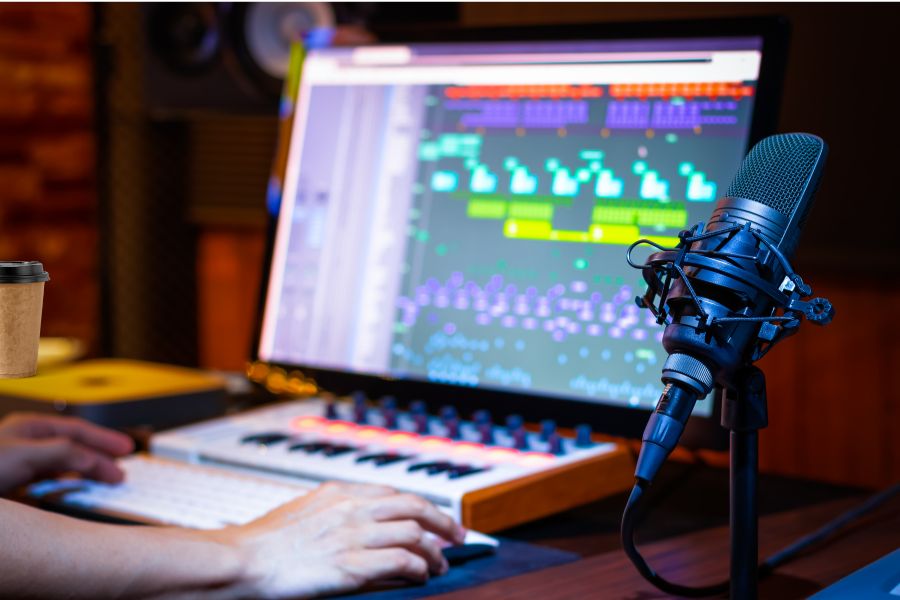
Technology has revolutionised the way music is created, and integrating it into the composition process can greatly benefit students. With a plethora of music software and apps available, students can experiment with different sounds, instruments, and recording methods that would have been difficult to access otherwise. Digital Audio Workstations (DAWs) and music notation software are excellent tools that can enhance the creative process. Have a look at our list of Free Online Composing Tools and why not enrol in our free course How to Compose Video Game Music which includes free access to Dorico notation software.
Utilising online platforms for collaboration enables students to connect with fellow musicians and composers worldwide. Encouraging them to explore these digital tools and platforms can broaden their horizons and inspire innovative ideas, ultimately enriching their compositional skills.
Providing Constructive Feedback
Constructive feedback is essential in the music composition process. But it’s time consuming! Students need to regularly receive guidance on their work, helping them identify strengths and areas for improvement. However, the manner in which feedback is delivered is crucial. It should be specific, actionable, and framed positively. Depending on the software you’re using, you may be able to add comments / sticky notes / voice memos to students’ files which they can then work through in the following lesson. Dice Wood gives some tips for this in her post on Managing GCSE Music Composition and there are also some ideas in Top Tips for Making your Music Classroom More Efficient.
Getting organised
Organisation is the key to keeping you and the class sane! Here are some top tips for keeping stress levels to a minimum:
Composition logbook
Whilst the composition log isn’t a requirement for all the exam boards, it is a very useful process for students to record what they’ve done each lesson. This helps to plan the next steps and also to provide evidence of the creative journey. If a student does need to write about their approach at the end of the composition, it’s helpful to be able to look back over the logbook. A useful resource here is our GCSE Music ‘free composition’ booklet.
When to start composing
Get started straight away! At the start of Year 10 students may not know each other very well so it’s an ideal time to set some small group work tasks and start with the composing ‘building blocks’ – melody, rhythm and harmony. Take a look at our getting started with GCSE composition e-book resource.
Aim to build up student confidence levels and compositional skills (e.g. melody-writing; developing ideas; working with chords etc.) in Year 10 so that when they get to Year 11 they’re ready to go with the set brief composition.
Sources for Inspiration
Utilising the Inspiration Section of Our Website
One effective way to inspire students is to provide them with resources in different formats, and examples to explore. You could encourage them to create their own digital folder / notebook. Our Inspiration section offers a variety of musical pieces, composer biographies, and compositional techniques that can spark new ideas for students in their composition journeys.
Inspiration sources
- Images
- Books/magazines
- Visits to museums / exhibitions / events
- Stories
- Existing music
- I Can Compose Inspiration
Encouraging students to explore different genres, styles, and composers can open up new creative avenues. By analysing diverse works, students can gain insights into various compositional techniques and approaches, which can inform their own pieces.
I had an A level student who had watched a TV documentary about a man on death row. The student was deeply moved by this piece and he decided to write his composition based on the prisoner’s experience. He composed themes to portray the different stages of the man’s journey, and developed them later in the composition. It was an emotive composition and one which my student was very committed to.
Exploring Different Genres & Styles
Encouraging students to experiment with various musical genres and styles can keep the learning of compositional skills fresh and interesting. Whilst each genre offers unique conventions and characteristics, often the underlying musical devices are the same or similar. For example, we can look at musical repetition through the lenses of ground bass, ostinato, riff, loop, hook and sequence.
Encouraging Collaboration
Collaboration can be an important component of the music composition process, though it’s sometimes overlooked in favour of individual tasks.
Encouraging students to collaborate on creating musical ideas can be a welcome change to independent working. With GCSE Music Composition students I’ve often done a group composition activity where students choose a set of statements such as “Your piece must include an ascending melodic sequence” and “Your piece must end with a crescendo“. They then have 10-15 minutes to create a short piece using their set of statements. It works well as a one-off lesson towards the end of Year 10, once students have covered a number of key terms. You can read more about this collaborative composition activity here.
Collaboration isn’t limited to the practical composing aspect – students can work together to find inspiration, discuss and generate ideas at the start of a project.
How ‘I Can Compose’ Can Help
Tailored Courses for Diverse Learners
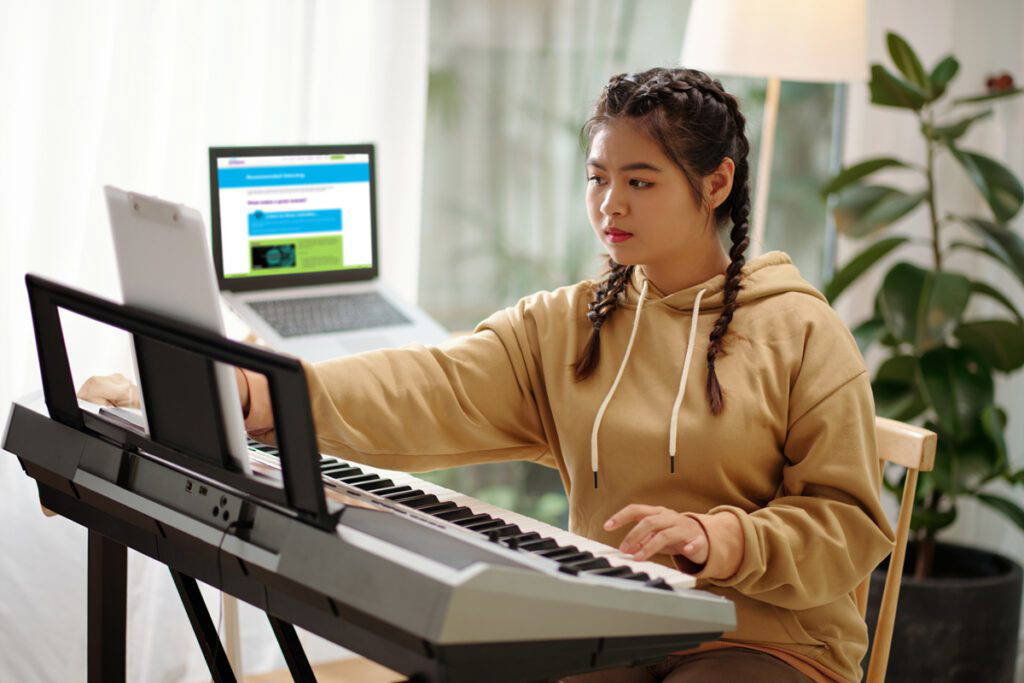
I Can Compose offers tailored courses designed to cater to the diverse learning needs and interests of students in music composition. These specially designed programmes provide structured learning experiences while allowing flexibility and creativity. By focusing on individual goals and skill levels, ‘I Can Compose’ empowers students to develop their unique compositional voice.
With a range of courses available, teachers can select materials that align with their curriculum while also catering to the specific needs of their students. This tailored approach not only supports student learning but also allows teachers to manage the classroom effectively.
Extensive Teacher Resources
In addition to student courses, ‘I Can Compose’ provides extensive resources for music teachers. These materials include listening packs, cover lessons, project booklets and videos. By offering this wealth of resources, ‘I Can Compose’ ensures that educators feel confident in their ability to guide students through the creative process.
Classroom Access Plans for Enhanced Learning
‘I Can Compose’ offers classroom access plans that can enhance the learning experience for both teachers and students. These plans provide schools with access to a comprehensive array of online tools and resources, enabling students to engage with composition in a modern and interactive manner. This access allows teachers to leverage technology effectively, enriching the composition process and enhancing student creativity.
By utilising these classroom access plans, teachers can implement innovative teaching strategies that inspire students to explore their creativity. With the right tools and resources, music composition can become an exciting and engaging journey for students, helping them develop a lifelong love for music creation.
Conclusion
Emphasising the Importance of GCSE Music Composition
Teaching music composition is a vital aspect of encouraging creativity and artistic expression in our students. By addressing the challenges faced in the classroom and implementing best practices, music teachers can create a rich learning environment where students feel confident to explore and develop their musical skills.